Eternit Roofing Popularity: Real-World Reasons Homeowners Choose It
Introduction
When I first lifted a roof panel in my twenties, I smelled sawdust, coffee and the kind of adrenaline that only comes from knowing the job has to be done right. Over the last two decades I’ve worked on bungalows, Victorian terraces, modern extensions and countryside barns. One product kept cropping up in conversations and on invoices: Eternit roofing. People love it, installers nod approvingly, and insurers often ask for it by name. Why? This article walks through the real reasons homeowners choose Eternit, draws on field experience, shares client success stories, and offers transparent guidance so you can decide whether it’s right for your roof.
Below you’ll find practical explanations, pros and cons, cost realities, maintenance tips, and hard-won lessons from the roofline. Expect wit, blunt honesty, and just enough technical detail to keep you smarter than the average DIYer.
Eternit Roofing Popularity: Real-World Reasons Homeowners Choose It
Why has Eternit become such a common name on rooftops? The short answer: it hits an attractive blend of durability, aesthetic options, and ease of installation that aligns well with homeowner priorities. The longer answer takes us through materials, history, and real-world performance.
Eternit originally referred to fibre cement products developed in the early 20th century. Over the decades, formulations improved and manufacturing shifted to more responsible raw materials, while retaining the core benefits: resistance to weather, fire-retardant properties, and reasonable weight. In urban and rural projects I've supervised, Eternit panels or tiles fit particularly well when the client wants longevity without the maintenance headaches of natural slate or the weight and expense of clay tiles.
A memorable case: a late-1800s stone cottage in Cornwall. The owners wanted to preserve the house’s character but needed to replace a leaking roof on a budget. We proposed thin Eternit slate tiles that mimic natural slate. The finish, laid carefully, gave the house the slate look without the scaffold weight and cost. Ten years on, the roof still looks sharp and the couple sent us photos of a storm that would have shredded cheap felt roofs elsewhere.
Eternit appeals to trade folk because it's forgiving during installation. It cuts cleanly with standard tools, fastens securely without massive fixings, and doesn’t require heavy mechanical lifting. This means fewer labour hours, which translates into lower bills for homeowners. That doesn’t mean shortcuts are acceptable — correct batten spacing, flashing detail and underlay selection remain vital. I’ve inspected roofs where the foundation details were done by novices; material quality can be undermined by poor detailing, so choose installers who explain the why, not just the how.
In summary, the popularity of Eternit comes from proven performance, multiple aesthetic choices, and practical installation benefits. But it's not magic — like any roofing product it demands proper specification and skilled installation.
Material Composition and Durability: What Eternit Is Made Of and Why It Matters
Eternit’s core is fibre cement — a blend of cement, cellulose or synthetic fibres, and sometimes additives for flexibility and weather resistance. Unlike older asbestos-containing products (which were phased out for obvious health reasons), modern Eternit uses safe reinforcing fibres. That matters: homeowners want the longevity of fiber-reinforced cement without the health hazards of the past.
So what does this mean on your roof? Fibre cement offers several performance advantages:
- Weather resilience: it resists rain, frost, and UV better than untreated timber or many composite sheets. Fire resistance: because it’s cement-based, it doesn’t ignite; for homeowners near open-moors or chimneys, this is comforting. Dimensional stability: it won’t warp like some plastics or swell like some untreated timbers.
In my own project history, I replaced an old corrugated iron shed roof with Eternit corrugated sheets. The client was astonished how quickly internal temperatures stabilized and how the new roof lowered noise from heavy rain. Another homeowner in a coastal town noticed her Eternit tiles outperformed local clay tiles during a salt-laden storm: the coating and material bulk resisted grit-driven abrasion.
That said, durability depends on a few variables: exposure, finish, and installation. Coastal exposure accelerates weathering; poorly ventilated attic spaces cause condensation that can reduce the lifespan of any roof assembly; and complex junctions around chimneys or skylights need meticulous detailing. Years ago, I inspected a roof where the Eternit tiles themselves were fine, but lead flashings were incorrectly fitted. Water tracked behind the tiles and created rot in the timber rafters. The takeaway: Eternit’s durability shines when the whole roof system is properly designed and maintained.
Finally, there’s the issue of lifespan. Manufacturers commonly quote service lives of 30–50 years for Eternit products, which aligns with what I’ve seen on well-specified installations. That makes it a solid long-term investment for many homeowners.
Aesthetic Options and Design Flexibility: Matching Eternit to Your Home’s Character
Want heritage charm or contemporary Business clean lines? Eternit frequently has a solution. The product family includes slate-effect tiles, smooth or ribbed corrugated sheets, and various colours and textures. That design flexibility lets homeowners choose a look that matches the house’s architecture without having to commit to expensive or heavy natural materials.
Consider these use-cases from my portfolio:
- Victorian terrace: We used Eternit fibre cement slates in a dark, textured finish. The result read almost identical to natural slate from the street, but the reduced weight saved on structural reinforcement. Modern flat-roof extension: Smooth Eternit sheets created a crisp, minimalist expression that complemented the zinc-clad elements and provided a consistent, low-maintenance surface. Barn conversion: Corrugated Eternit sheets, used sympathetically, preserved the rural character while offering better weather performance than the original timber boards.
Aesthetic choice isn’t only about looks; it ties into planning approvals, conservation areas and resale value. On a refurbishment in a conservation area, the local authority accepted Eternit slate tiles disguised as natural slate because the visual match met policy requirements. When you plan a roof replacement, ask to see sample boards and completed projects in local areas. Photographs lie, but touching samples and seeing colour in local light gives you the truth.
Installation detail also supports aesthetics. Clean lines depend on correct lapping, straight battens and accurate cutting. I always recommend homeowners insist on mock-up panels on site before full installation: a segment of roof installed perfectly sets the standard and reduces quarrels about finish later.
Cost, Value, and Long-Term Economics: Is Eternit Worth the Money?
Everyone asks, “How much will roofing cost?” The more useful question is: “How much value will my roof deliver over its life?” Eternit positions itself well on the value-for-money spectrum. It’s usually cheaper than natural slate or high-end clay but more robust and attractive than basic felt or corrugated plastic.
Let’s break down typical cost drivers:
- Material costs: Eternit materials often sit mid-range. Corrugated sheets are cheaper than faux slate tiles, which in turn are cheaper than real slate. Labour: Because Eternit is lighter and easier to handle than heavy slates, labour tends to be quicker and costs lower. Lifetime maintenance: Expect less frequent repairs and replacements than lower-end alternatives. Manufacturers’ guarantees and long service lives translate into lower lifetime costs. Disposal: Fibre cement has disposal requirements in some jurisdictions; factor in safe removal costs if replacing old asbestos-containing roofs.
I compiled a simple cost comparison table from typical UK projects I’ve managed:
| Roof Material | Typical Installed Cost/m2 | Typical Lifespan | Maintenance Notes | |---|---:|---:|---| | Eternit fibre cement slate | £45–£90 | 30–50 years | Low; occasional washing/inspection | | Natural slate | £80–£150+ | 80–150 years | Low but high repair cost | | Clay tiles | £60–£120 | 60–100 years | Low, but heavy structure needed | | Felt roofing (flat) | £20–£50 | 10–25 years | Frequent replacement needed |
From my experience, clients who care about long-term value often pick Eternit. One family in Oxford saved roughly 20% vs. Natural slate and avoided the need to reinforce rafters — a saving that paid for an upgraded underlay and full ventilation system, which improved the roof’s performance for decades.
That said, value isn’t only about price. It’s about matching the product to exposure, budget and local planning rules. Eternit is cost-effective for many, but not automatically the best choice for every single roof.
Installation Best Practices and Common Pitfalls: Ensuring Your Eternit Roof Performs
Eternit is forgiving, but there are recurring mistakes that undermine its performance. Here’s a checklist from hands-on experience and post-installation inspections:
- Underlay selection: Use a breathable, high-performance underlay. Cheap felt leads to condensation and rot. Ventilation: Provide adequate eaves-to-ridge ventilation. Lack of airflow creates moisture problems under the deck. Correct fixings: Use corrosion-resistant nails or screws recommended by the manufacturer. Coastal sites need stainless steel components. Flashings and details: Lead or lead-free flashings must be installed properly. Poor detailing around chimneys and valleys is the most common cause of leaks. Barge boards and verge installation: Fix verge clips and seals securely—wind can lift poorly finished edges. Cutting and handling: Use correct cutting tools and PPE. Cutting creates dust; in older structures, that dust can contain asbestos if not already removed safely.
A classic pitfall: an installer uses Eternit slates with batten spacing intended for thinner tiles. The result is an over-stressed system where slates sit unsupported and crack under foot. Another saw-tooth problem: installers skipping the breathable membrane because it ‘wasn’t part of the quote’. If the roof deck is cold and condensation forms, mold and rot will follow.
I remember a job where a local contractor skimped on ventilation boxes because the homeowner wanted a tidy soffit. Six months on, the attic lining bowed and insulation clumped. We installed a proper ventilation path and replaced the underlay — a lesson in cutting corners costs more later.
If you’re hiring a roofer, ask for:
- Manufacturer-approved installer confirmation. A written specification listing underlay, battens, fixings and flashings. A mock-up area to approve finish and colour. A warranty that covers both materials and workmanship.
Maintenance, Repairs, and Lifespan Management: Keeping Your Eternit Roof in Top Shape
A roof is a system, not just tiles. To maintain performance and maximise try these guys lifespan, treat Eternit roofs with routine care and quick fixes for small problems.
Routine maintenance checklist:
- Twice-yearly inspections: Look for cracked tiles, displaced fixings, and clogged gutters. Clean gutters and downpipes: Water back-up is a silent destroyer. Remove moss and debris: Letting vegetation settle on a roof accelerates wear. Check flashings after storms: Flashings are common failure points. Repaint or recoat where applicable: Some Eternit finishes accept coatings that extend service life.
Repair tips:
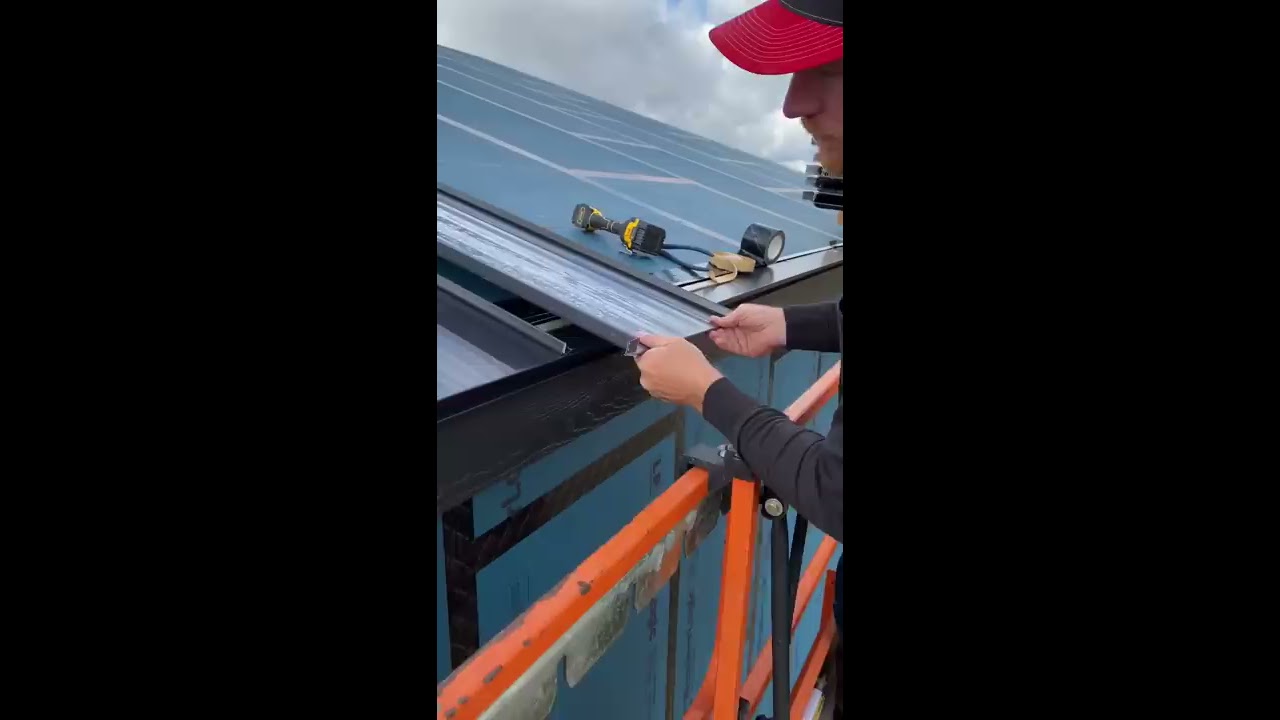
- Replace single damaged slates rather than large patches. Matching tiles are usually available. Use manufacturer recommended fixings. Don’t substitute with cheaper materials. Where roof access is frequent, install sacrificial walk-boards to protect tiles from foot traffic.
Case study: a homeowner in Devon noticed small black algae streaks. We cleaned the roof with a non-acidic solution and fitted discreet snow boards to protect the lower courses from foot traffic. Ten years later those tiles remained serviceable and the owner avoided costly replacement.
Lifespan management also includes planning for end-of-life. When the roof approaches the 30–40 year mark, consider proactive refurbishment rather than emergency replacement. Replacing underlay and flashings while tiles remain intact can extend serviceable life by a decade or two, at a fraction of full replacement cost.
Health, Environmental Concerns, and Regulatory Issues: Safety and Compliance Around Eternit
Modern Eternit is engineered without asbestos, but these products evolved from asbestos-bearing ancestors. Understandably, homeowners worry about health and environmental impact. Today’s production standards and disposal rules aim to be safe, but you must still manage risks properly.
Key points to know:
- Modern fibre cement is asbestos-free. Confirm product certification and ask manufacturers for datasheets. Cutting fibre cement produces silica dust. Use proper PPE and on-site dust control to protect workers and occupants. Disposal: Check local regulations. Some jurisdictions treat fibre cement as construction waste requiring specific disposal paths. Environmental footprint: Cement production is carbon intensive. Some manufacturers now use recycled content and improved manufacturing processes to lower embodied carbon. Ask suppliers about environmental product declarations (EPDs) if sustainability matters to you.
I asked one manufacturer for their EPD while specifying a roof for a Passivhaus retrofit. They provided lifecycle data, and we chose a product with higher recycled content and a slightly higher initial cost — the client was happy to trade a few pounds for lower carbon.
Regulatory side: In conservation areas or listed buildings, you’ll need approval. Eternit can sometimes be accepted where visual match is precise, but decisions are local. Engage with planning officers early to avoid expensive rework.
FAQ (Frequently Asked Questions)
Q: Are Eternit roofs asbestos-free? A: Modern Eternit products are manufactured without asbestos. Always request a material safety datasheet and certification from the supplier to confirm the product composition.
Q: How long do Eternit roofs last? A: Typical lifespans range from 30 to 50 years depending on exposure, finish and installation quality. Proper maintenance and good detailing can extend that.
Q: Is Eternit suitable for coastal locations? A: Yes, but choose stainless steel fixings, appropriate coatings, and schedule more frequent inspections because salt spray accelerates corrosion elsewhere in the roof assembly.
Q: Can Eternit mimic natural slate? A: Many Eternit slate products closely replicate natural slate in appearance, texture and colour, providing a cost-effective and lighter-weight alternative.
Q: What are the maintenance needs for Eternit? A: Periodic inspections (twice yearly), gutter cleaning, moss removal and timely flashing repair. Avoid walking directly on fragile tile areas.

Q: How much does Eternit roofing cost? A: Installed costs vary widely; typical average ranges might be £45–£90 per m2 for Eternit slate-style systems, but regional labour rates and system choice affect the final price.
Client Success Stories: Real Homes, Real Results with Eternit
Story 1 — The Hillside Renovation: The owners of a 1930s hillside bungalow wanted a roof that would survive high winds and heavy rain. After assessing wind uplift forces, we specified Eternit corrugated sheets with stainless fixings and coach bolts at verge details. The result? A watertight roof that stood up to a 2018 storm that vaulted several nearby roofs off their frames. The owners called to thank us for saving the home — and their insurance premiums stayed stable.
Story 2 — The Urban Conservation Project: In a conservation area, a terraced house needed slate replacement. Natural slate was budget-busting. We proposed Eternit fibre cement slates with textured finish. The council accepted the visual match, the homeowner saved 30% vs. Natural slate, and resale value remained strong because the street character remained intact.
Story 3 — The Passive Retrofit: A family renovating for energy efficiency wanted longevity and low maintenance. We combined Eternit tiles with a high-performance underlay, improved insulation, and mechanical ventilation with heat recovery. The roof contributed to a comfortable, efficient home that achieved near-Passivhaus energy targets without compromising appearance.
These stories share one trait: the right product chosen for the right context and installed by experienced hands produces happy clients and durable roofs.
How to Choose a Reliable Installer and What Questions to Ask
Choosing the right installer is as important as choosing the material. Here are direct questions to ask and red flags to watch for:
Questions to ask:
- Are you manufacturer-approved to install this Eternit product? Can I see recent local references or completed projects? What underlay and fixings are you proposing? Do you provide a written specification and schedule? What warranty covers materials and workmanship? How do you handle asbestos checks and safe disposal if present?
Red flags:
- No written specification or evasiveness about materials. Pressure to sign a contract without a mock-up or sample approval. Cash-only deals or vague guarantees. Refusal to provide references or proof of insurance.
I once interviewed three contractors with a homeowner. One quoted suspiciously low and refused to show a portfolio. Predictably, mid-job issues cropped up; the homeowner canceled and paid a little extra for a reputable crew who fixed the problems in a few days. The moral: pay a bit more for peace of mind.
Table: Installer Vetting Checklist
| Item | Good Answer | Concern | |---|---|---| | Manufacturer approval | Yes; certificate shown | No or vague | | Written spec | Detailed list provided | None provided | | References | Local projects shown | No references | | Warranty | Materials + workmanship | Limited or none | | Insurance | Public liability & employers | No proof |
Conclusion
Eternit roofing earns its popularity through a tidy mix of durability, aesthetic flexibility and sensible economics. It isn’t perfect for every situation but frequently offers a smart compromise between cost and performance. My experience shows the product performs best when paired with a clear specification, quality underlay, correct fixings and—critically—an installer who understands roof systems rather than just laying tiles.
If you’re considering Eternit, do your homework: inspect samples, check installer credentials, and plan for maintenance. A well-installed Eternit roof can protect a home for decades and keep owners smiling through storms, paint flaking and the occasional bad tenant.
Frequently Asked Questions (more detailed)
1) What’s the difference between old asbestos-cement roofs and modern Eternit? Modern Eternit no longer uses asbestos fibres. It uses cellulose or synthetic fibres for reinforcement, along with cement. Always verify the product datasheet and manufacturer statements to be sure.
2) Can I walk on Eternit tiles during inspection? It’s risky. Tiles can crack Business if walked on incorrectly. Use access boards or hire professionals to avoid cosmetic or structural damage.
3) Does Eternit require painting? Some finishes come pre-coated and require minimal painting. If you choose a paintable finish, use recommended coatings and factor repainting into long-term maintenance.
4) How does Eternit behave in freeze-thaw cycles? Fibre cement resists freeze-thaw better than some materials, but if water penetrates through cracks or poor joints, repeated freezing can cause spalling. Regular inspections mitigate this risk.
5) Are Eternit tiles recyclable? Disposal and recycling depend on local facilities. Some regions accept fibre cement for recycling; others require specific disposal routes. Ask your installer for guidance.
6) Will Eternit affect my insurance or resale value? Generally, insurers accept modern Eternit. Resale value often benefits from a good-looking, durable roof. For listed properties, check with planners to ensure compliance.
If you’d like, I can:
- Review your roof images and give a candid assessment. Draft a checklist you can use to compare installers. Provide a sample specification for an Eternit slate installation tailored to your climate.
Want me to look over your project? Send photos, a short description of the building, and tell me your budget and priorities — I’ll give you straightforward advice, no jargon, just options.